 CrazyGamesX.com
Crazy Games 2
Crazy Games 2 is a mixed collection for players who want to switch between quick arcade challenges and puzzles that reward a little planning.




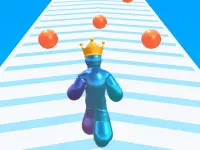
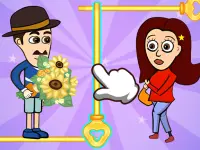









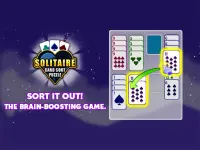

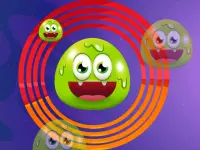





The games displayed here include liquid sorting, pin-pulling rescues, runners and other casual challenges. Choose by the kind of decision you want to make: organize a crowded board, work out an action sequence or react to a moving obstacle.
Pick a puzzle with a clear goal
Water Sort Puzzle 3 is a useful starting point when you want a color-sorting challenge. Its liquid puzzle asks you to organize colors, so the important work is recognizing which moves help the arrangement. Look over the containers before moving anything. Identify the color you can make progress with and notice which available space will be useful afterward. A move that looks tidy in isolation may leave the next decision more awkward.
Sorting rewards patience because the board itself contains the information you need. Rather than trying to perform each action faster, think about what the next state will look like. Keep track of the area you are freeing and the colors that still need attention. Use the controls shown by the game to select and move the liquid, and judge an attempt by whether the arrangement becomes easier to understand.
Try a different kind of cause and effect
Rescue Casual Pin Puzzle changes the question from where to put something to which action should happen first. The goal is to rescue a couple from traps and enemies by pulling pins in the correct order. Before touching a pin, inspect what it is holding back and where that element can travel. One opening can help the rescue, while another can expose the characters to danger.
This makes it worth distinguishing the desired final result from the first obvious move. Trace a likely sequence through the scene, then compare the result of your first action with the plan. If the attempt fails, identify which released element caused the problem. Changing that decision is more informative than repeating the whole sequence rapidly. The mouse or touch controls make actions straightforward, but choosing their order is the puzzle.
Recognize what changes between games
The same page also displays games built around running and jumping, including Arcade Thief Runner and Chicken Jumper. Their presence makes this a broader browsing collection rather than one continuous campaign. Opening a different card takes you to a separate game with its own instructions, objective and progress. A habit learned in a sorting puzzle will not tell you when to jump in an arcade challenge.
Read the destination title and opening screen before beginning. In a puzzle, you may have time to examine a state before acting. In a runner, attention has to remain on what is approaching. Decide which pace suits the time you have available. If you only want a short break, pick a game whose current objective you can explain in one sentence, rather than starting several unfamiliar games and leaving each before understanding its controls.
Does the number 2 mean two players?
The collection name alone does not establish a player count. The visible list contains different kinds of games, including individual puzzles. Check a game's own menu for a second-player option before inviting someone to share a keyboard. Do not assume that every card is a sequel, a new edition of one particular game or part of a common two-player system.
If playing together is your main purpose, the two-player browser-game guide offers a more focused way to choose and compare suitable games. It is also useful to decide whether you want cooperation, direct competition or simply taking turns. Those are different activities even when two people are sitting at the same screen.
Make each visit useful
Start with the kind of challenge you feel like solving, then give one game enough attention to learn its basic response. In a sorting game, notice what a move opens up. In a rescue puzzle, explain why one pin should move before another. In an arcade game, identify the visual cue that tells you when to act. Those small observations give the next attempt a purpose and make this varied collection easier to explore.