 CrazyGamesX.com
Sports Games
Sports games for a quick racket match
Racket sport games can feel similar on the first serve and different by the end of a rally. Read the space an opponent leaves and the way the ball travels after contact.
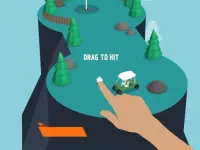
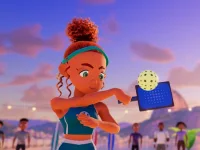







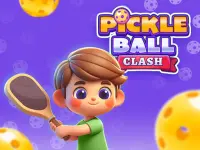

Use a game that gives you a clear aim, such as gaining time to return a shot or placing a ball into the open side.
Send the pickleball toward an open corner
Open PicklePop to try this challenge. Drag to aim and release to serve. On a return, watch the ball approach and release to strike after preparing the input. Move the opponent toward one side before trying the open part of the court. A quick singles match gives you time to learn the gesture before trying World Tour courts.
Keep a table tennis rally going
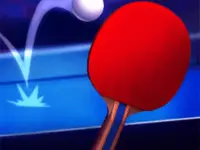
Play Table Tennis Open for a different challenge. Use a finger or mouse to move the paddle and return the ball over the net. Watch the bounce and place the paddle where you think the return will arrive. After you can send several balls back in succession, try directing one away from the place your opponent has just covered.
Watch what follows one input
Choose one target on the far side before making a return. Check whether the input sends the ball near it. Repeat that placement when the angle is comfortable, then try choosing a second target if the first one is covered. Aim gives you a better comparison than score alone.
A racket return is easier to compare when the ball reaches the same part of your side twice. On the first return, aim for a spot with margin. On the second, use nearly the same gesture and change the intended side. Watch how much time the new placement buys you for recovery.
Use a short retry to compare one input. You can practice setting up placement with a first wide shot until you can describe what a successful attempt looks like. Then try moving the paddle onto the likely return line in the second game and observe the first thing that changes. The score at the end may reflect later choices as well, so judge that move while it is still easy to remember. Take one detail from the comparison into the next round.
Keep the purpose of the move in mind as you prepare for it. That can mean setting up placement with a first wide shot or it can mean moving the paddle onto the likely return line. Look at which information becomes available only after you make the move. The first easy attempt gives you a place to learn about observing where each shot leaves the opponent. On a harder attempt, recall that same kind of position. Use the reference to decide whether you should act right away, prepare the input earlier, or watch for a different opening.
Pick a starting game
Choose Table Tennis Open if you would rather spend the next few minutes moving the paddle onto the likely return line. Choose PicklePop if you want a round centered on setting up placement with a first wide shot. Each game gives you a way to compare attempts without completing every level in one visit. Keep one move in mind as you browse for another game, and look for a similar chance to practice it under a different set of rules.
If you return later, begin with a short warm-up about observing where each shot leaves the opponent. See whether setting up placement with a first wide shot feels easier after a break. To test whether the idea carries to a different game, give yourself one round for moving the paddle onto the likely return line. Follow the controls that title shows and pay attention to how much time it gives you to decide. Then try a more difficult round if the new pace still lets you recognize the move you are practicing.