 CrazyGamesX.com
Food Games
Food games focus on culinary preparation and service simulation, requiring players to manage resources and time effectively. The genre typically involves direct interaction with ingredients and customers through simple input methods.




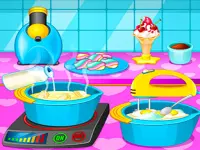

















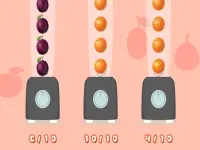






Successful execution depends on precise actions like combining items and serving orders within set parameters to achieve objectives, often in restaurant management games.
Entry Guide: Food games
Players execute actions like collecting ingredients, building dishes, and placing items on plates; Efficiently managing these steps is the primary method to complete orders.
System Mechanics
Core mechanics involve gathering specific food items from storage areas and combining them according to recipe requirements. Players must manage a queue of customer orders, prioritizing tasks to prevent service delays and maintain satisfaction. The system often features a time-based constraint where each order has a countdown timer, adding pressure to the process. Success is measured by the number of orders fulfilled correctly and the speed of service in cooking simulation games.
Optimization Rules
Focus on sequencing actions to minimize movement between stations and reduce preparation time. Maintain a clear view of incoming orders to prioritize the most time-sensitive requests first. Practice consistent execution of the core actions to improve speed and accuracy over time using food preparation games.
Core Inquiries
Q: What are the typical controls? A: Interactions are performed using point and click or tap inputs to select and move items.
Q: What is the main objective? A: The objective is to prepare and serve customer orders correctly before time expires.
Q: Is there a specific story? A: The genre generally focuses on operational mechanics rather than narrative elements.
Q: What is the core gameplay loop? A: The loop consists of collecting ingredients, assembling dishes, and delivering them to customers.