 CrazyGamesX.com
Miner Games
Mining games for a timed grab or an automated process
The Miner collection includes games where you control a tool directly and games where workers move resources through a growing operation.










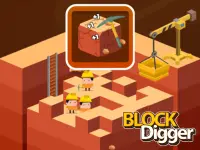


















The linked examples give you an undersea claw and an idle mine. Choose whether you want to judge the release that reaches a valuable object or inspect which stage of production needs an improvement. Both provide a concrete result to observe after one complete cycle.
Read the claw's route toward a target
In Gold Miner Undersea, tap or click to drop the claw toward gold, gems and other objects. Inspect the swing and the path to the intended target before releasing. A valuable object is useful when the route can reach it without catching something unwanted first. Start with a clear opening and watch how long the claw takes to arrive.
Compare two releases against the same kind of target. If the first passes beside it, use the direction of that miss to refine the next moment. A small timing change is easier to understand than waiting for a completely unrelated position. Watch the return as well as the grab so you know how the whole collection cycle uses the available time.
The shop offers items between levels. Read their effect and connect a purchase with a difficulty from the last round. A tool or aid becomes easier to evaluate when you test it on a situation you already recognize. The next level still needs a fresh scan for target positions and obstructions. Use the previous success as a reference for the control, while letting the new field determine the actual release.
Follow material from the shaft to storage
Resource Empire develops a mine through miners, elevators and warehouse workers. Begin by watching the resource move through those stages. A slow point in one part can limit what the rest can accomplish. Locate that visible delay before choosing an upgrade. Increasing a stage that already waits on another process may have less immediate effect than improving the part holding the material back.
After an upgrade, observe the same stretch of production again. Check whether material now reaches the next stage more smoothly and whether another queue begins to form. This gives the following investment a practical target. Read the displayed capacity, speed and profit options individually rather than assuming they all affect the same part of the operation.
Managers can automate work, and deeper layers introduce new resources. Learn one functioning shaft before expanding several at once. When you return after a break, inspect the current totals and the active process before following an old purchase plan. The mine's new state can change which stage deserves attention. A complete production cycle is a useful way to reconnect the numbers with what the workers are doing.
Choose release timing or production planning
The claw game makes each grab an immediate decision. The idle mine makes each improvement part of a longer flow. Both let a visible result explain the next action. Start with one well-read target or one understood bottleneck, then explore another Miner card when you want a different relationship between collecting a resource and using it.
A collection cycle has an informative ending. With the claw, watch which object returns and how much of the available time the trip used. In the idle mine, watch where the delivered material waits before the next stage handles it. Those observations connect reward with process. Choose the next target or upgrade according to that current picture. A familiar small cycle gives a better comparison than several simultaneous changes, because you can see which part became more effective and which part now needs attention before expanding the activity farther.