 CrazyGamesX.com
Racing Games
Racing games place speed in a setting that gives it consequences. On a circuit, quick laps come from getting onto a good line well before the exit.




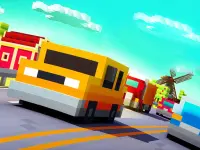

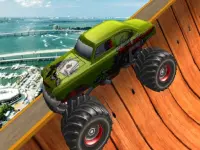
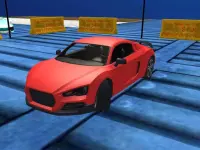



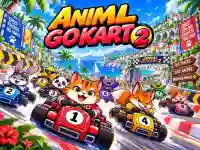


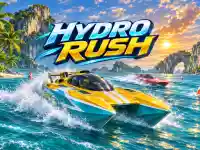
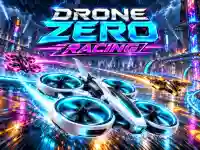
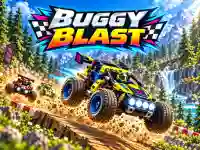


On a street route, the useful line may depend on traffic, the mission or a chase. Pick the kind of pressure you want to practice.
On a new course, learn where you can carry speed and where the route asks you to back off. Use an early lap to find one corner you can recognize every time. On a street, look for the next required direction before reacting to everything near the car.
Find a line through a Formula corner
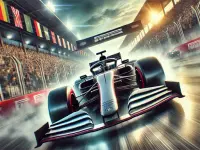
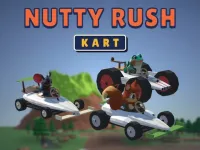
Open GT Formula Championship to try this challenge. Choose a visible turning reference and use it to prepare the car. Brake in time to keep enough room for the exit. On later attempts, see where the car ends up when you change your entry. If the turn sends you far outside, leave more space before committing to the next one.
Notice where the car points while you can still adjust the line. If you accelerate while the car is still angled away from the road ahead, you may spend the exit correcting the steering. A slower entry can make the next straight easier to use.
Look through the street ahead at night
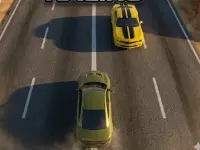
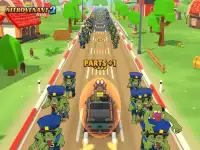
Play Night Racing for a different challenge. Choose a sports car and follow the mission route while watching for police. Keep a little distance from nearby traffic so you can react to the car ahead. When the street is hard to read, find the direction of the route and give yourself enough time to turn.
At night, keep the lane markings or the route cues in view as you approach a turn. Empty space immediately ahead is helpful only if you have somewhere to go after it. Look from one usable part of the road to the next.
Watch what follows one input
Use a short retry to compare one input. You can practice remembering a useful braking reference on a circuit until you can describe what a successful attempt looks like. Then try watching the next opening through city traffic in the second game and observe the first thing that changes. The score at the end may reflect later choices as well, so judge that move while it is still easy to remember. Take one detail from the comparison into the next round.
Think of the first attempt as a chance to see how the screen guides you. Find an approach you can compare from one lap or attempt to another and read the nearby options. When a tempting shortcut makes the exit harder to see, note which input is most likely to change the situation. Try it on the next attempt from a similar starting position. Look for an improvement you can see as it happens, such as getting into position sooner or leaving more room for the move that comes after it.
On a track with a familiar turn, compare where you rejoin the straight instead of looking only at the lap time. On a street route, compare whether you see the direction of the next junction before slowing down. Let that observation tell you which sort of race you want to repeat.
Return to the round you want to learn
Open GT Formula Championship when you want to work on remembering a useful braking reference on a circuit. Give yourself enough time for a second try so you can apply what you learned from the first. For a different kind of decision, move to Night Racing and practice watching the next opening through city traffic. Start by reading the instruction on the screen. Learning the first input and seeing its result gives you something concrete to compare if you come back to the collection later.