 CrazyGamesX.com
Plane Games
Flight simulation titles place the player in command of aircraft across varied airspace conditions and mission structures. Core interactions center on altitude control airspeed management and navigation across open skies.


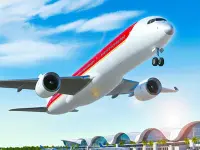



These flight simulator games emphasize precise handling physics-based movement and situational awareness while piloting through dynamic weather systems.
Entry Guide: Plane games
Steer the aircraft to maintain stable flight and reach target destinations; manage throttle and altitude Efficiently to navigate through obstacles.
System Mechanics
Primary mechanics involve throttle adjustment pitch control and roll input to direct the aircraft through three-dimensional space. Navigation requires tracking waypoints fuel consumption and airspeed to sustain flight across extended routes. Environmental factors such as wind shear turbulence and visibility shifts demand constant correction from the operator. Physics engines simulate lift drag and thrust interactions making air combat games and flight physics games dependent on realistic aerodynamic responses.
Optimization Rules
Maintain consistent throttle settings during climbs to preserve momentum and avoid stalling while executing coordinated turns between waypoints. Monitor altitude readings frequently and adjust pitch inputs early to counteract turbulence before it destabilizes the flight path. Practice smooth control inputs rather than abrupt corrections as gradual adjustments yield better fuel efficiency and more stable approaches. These plane simulator games reward disciplined handling over aggressive maneuvering during long-range navigation segments.
Core Inquiries
Q: What controls are used to steer the aircraft? A: Throttle adjustment pitch control and roll input direct the aircraft.
Q: What is the main objective during flight? A: Reach target destinations while managing altitude and airspeed.
Q: How is fuel handled during routes? A: Fuel consumption must be tracked across extended routes.
Q: What drives the core flight physics? A: Lift drag and thrust interactions simulate realistic aerodynamic responses.