 CrazyGamesX.com
Goat Games
Goat games typically involve the player controlling a goat avatar within a sandbox environment. The core gameplay loop focuses on exploration and interaction with physics-based objects and terrain.













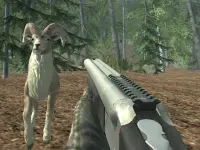










Players often navigate urban or rural maps to find items, complete tasks, or simply cause chaos using the goat's mechanics. This category of simulation games emphasizes open-ended experimentation rather than strict progression. The genre relies heavily on ragdoll physics for both movement and collisions, which dictates the outcome of every action. A primary objective in many goat games is to cause as much property damage as possible using the goat's tongue and horns. These games are characterized by their lack of narrative constraints, allowing for free roaming and interaction with the environment. The core loop involves locating specific targets, such as vehicles or structures, and using the available tools to disrupt them. This approach defines the standard experience of goat simulation games.
Entry Guide: goat games
Player control is exerted via standard input devices to direct the goat's movement and actions; the primary goal is to locate objectives and utilize physical interactions to achieve them efficiently.
System Mechanics
Control schemes usually map movement to directional inputs while assigning specific buttons for tongue attachment and headbutting actions. Physics engines govern the goat's balance, momentum, and the force of impacts against objects. Environmental interaction is a core mechanic, allowing the goat to lick, drag, and throw various items found in the map. The scoring system often tracks the cumulative value of destroyed property, rewarding aggressive playstyles. These elements combine to create a distinct category of animal physics games. The tongue mechanic functions as a grappling hook, enabling the goat to pull itself toward surfaces or drag light objects. Headbutting applies force vectors to NPCs and structures, utilizing the physics engine to calculate resulting trajectory and damage. Collision detection determines the outcome of every interaction between the goat and the static or dynamic world geometry. Successful navigation relies on managing the goat's momentum and center of gravity. This defines the standard mechanics of open world goat games.
Optimization Rules
Players should prioritize maintaining forward momentum to cover ground quickly between interaction points. It is advisable to target smaller objects first to build up the destruction score before attempting larger structures. When engaging with moving vehicles, approach from the side to avoid being run over while initiating the tongue grab. Consistent use of the headbutt mechanic on unstable objects yields higher physics reactions. The most effective method for high scores is to chain interactions without pausing, ensuring a continuous flow of points. To maximize efficiency, players should Maintain a constant awareness of the goat's position relative to the environment. Selecting targets based on their proximity and destructibility reduces travel time between actions. Observing the physics reactions of smaller items provides insight into how larger objects might behave when struck. This approach helps in mastering the core gameplay of destruction simulation games.
Core Inquiries
Q: What inputs control the goat? A: Directional inputs move the goat while specific buttons activate the tongue and headbutt actions.
Q: What is the main objective? A: The objective is to interact with the environment to cause destruction and complete specific tasks.
Q: Is there a multiplayer mode? A: Not stated.
Q: How does the tongue mechanic work? A: The tongue attaches to objects and surfaces, allowing the goat to pull or drag them.