 CrazyGamesX.com
Digital Circus Game
Digital circus game games typically involve navigating a surreal digital environment where players manage chaotic entities and perform routine tasks.

















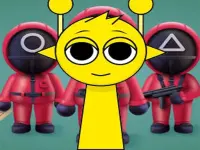







The genre often uses point-and-click or simple directional inputs to interact with objects and characters within a looping, stylized circus setting. These digital circus game games emphasize pattern recognition and resource management over direct combat or complex narrative progression.
Entry Guide: digital circus game games
The player must interact with the environment using standard input methods to perform actions like collecting items and solving puzzles; digital circus games require precise timing to succeed.
System Mechanics
Core mechanics usually involve managing a finite inventory of digital props and guiding characters through non-linear pathways. Players often encounter repeating loops where specific actions must be timed to avoid negative outcomes. The circus management games genre relies heavily on environmental observation to trigger necessary events. puzzle circus games frequently utilize hidden object mechanics and simple logic steps to progress the simulation.
Optimization Rules
Players should prioritize gathering available resources before attempting to trigger main sequence events to ensure stability. It is vital to Maintain a consistent rhythm when interacting with recurring digital entities to prevent system resets. Successful execution of tasks in simulation circus games depends on recognizing visual cues from the environment.
Core Inquiries
Q: What are the primary controls? A: Standard point-and-click or directional inputs are used.
Q: What is the main objective? A: Manage the digital circus environment and complete routine tasks.
Q: Is there a specific story? A: Not stated; the genre focuses on systemic interaction.
Q: What is the core gameplay mechanic? A: Resource management and timing-based interaction with entities.