 CrazyGamesX.com
Among Us Online Games
Among Us Online Games brings together browser games that use crewmate and impostor themes in several different ways. The current collection includes picture puzzles, jumping and escape challenges, search games and titles named around online play.


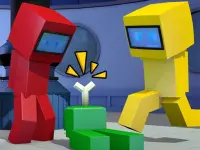




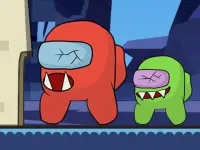


Use the individual game screen to choose the experience you want, because a familiar character does not tell you whether the game involves social deduction, a solo puzzle or an arcade obstacle course.
Begin with the activity you want
For a picture-based challenge, Among Us Jigsaw Puzzle Game focuses on combining pieces into a complete image. The useful information is visual: recognize a shape, compare the artwork and work out how the pieces fit. You can approach it as a deliberate search rather than an argument about who the impostor might be. The theme supplies the pictures; assembling them supplies the task.
Look for a recognizable section of the image before trying every piece in every position. An outline, a color boundary or a distinctive part of a character can give you a starting point. Build outward from a section you understand, and compare neighboring pieces carefully. If a piece seems wrong, inspect the image relationship as well as its outline. That is a different skill from fast movement or remembering another player's route through a spaceship.
Choose movement for a faster change of pace
Among Us Airship Slings uses the theme for an escape challenge. Its stated objective is to get through traps and escape by helicopter, across a set of twenty levels. Mouse or touch controls support the action. Concentrate on the next safe part of the route and the obstacle between your character and that point, rather than expecting discussion rounds or emergency meetings.
A useful practice method is to connect each failed attempt to one visible event. Did you misread a trap, act before checking the route or fail to recognize a safe landing? Change the relevant decision on the next attempt. Trying to fix everything at once makes it harder to learn the timing. A game with a crewmate character can still be a personal movement challenge with no need for a lobby.
Read online and multiplayer labels carefully
The page also shows names such as Among Us Online v3, Among Us Online Player and Among Us Online v2. These are separate listings, and their similar names are a reason to inspect the opening screen rather than assume identical rules. Check whether the particular game actually offers a room, a player list or an invitation system. A browser game being online does not by itself prove that other human players are participating in your session.
If you are choosing for a group, establish the available player mode before everyone starts. Some visitors want a shared match with discussion; others just want a familiar theme for a short solo activity. A jigsaw or a slings challenge can suit the second purpose without satisfying the first. Keep the objective and available controls of the selected game separate from your expectations of the wider franchise.
Use the collection to compare formats
Among Us Find Us and Among Us Hidden Numbers appear alongside the movement and picture games, while other cards use matching, coloring or action labels. This variety lets you change the kind of attention a session requires. Search-oriented titles emphasize inspecting a scene; a picture puzzle emphasizes relationships between pieces; an action challenge asks you to react to movement. Check the individual instructions before deciding how a particular card implements that idea.
The wider puzzle games collection is a useful next destination if arranging pictures or inspecting a board is what you enjoy most. You do not need to stay with the same characters to find a similar kind of challenge. Choose by the action you want to practise, then use the artwork and setting as a preference within that choice.
Set up a clear first attempt
Let the selected game finish loading, read its control prompt and try one intentional action before rushing ahead. Confirm whether input uses the mouse, touch or keyboard. For a puzzle, identify the completed state you are working toward. For an escape game, locate the immediate route and hazard. Starting with a concrete objective makes the collection easier to navigate and avoids carrying a control scheme or game rule into a title that works differently.