 CrazyGamesX.com
1v1 Games
1v1 games present a direct and focused contest between two participants, stripping away team dynamics to highlight pure individual skill and reaction time.

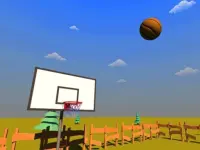















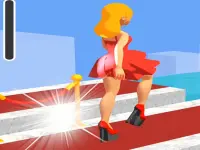


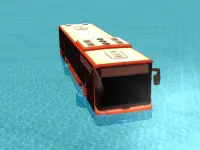







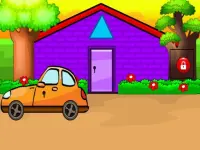
The genre typically favors a top-down or side-view perspective, allowing clear visibility of both competitors and the shared space they occupy. Mastering the fundamentals of movement and attack timing is the core requirement for success in these competitive video games.
Entry Guide: 1v1 games
Players must Efficiently execute the primary objective of reducing the opponent's health to zero before their own is depleted; precise timing and positioning are the only factors that determine the outcome.
System Mechanics
Standard mechanics in this category involve a health bar system where damage accumulation leads to defeat, often accompanied by a timer to ensure matches do not stall. The control scheme typically maps movement to directional inputs and actions to specific buttons, allowing for rapid execution of attacks and defensive maneuvers. Environmental hazards or stage layouts often serve as secondary obstacles that players must avoid while focusing on the opponent. These competitive fighting games rely on a balanced rock-paper-scissors dynamic between attacking, blocking, and dodging.
Optimization Rules
Players should Maintain a consistent rhythm of movement to avoid becoming an easy target for the opponent's attacks. Focus on understanding the recovery frames of your own actions to prevent overcommitment. Analyze the opponent's patterns to anticipate their next move and punish mistakes effectively.
Core Inquiries
Q: What are the primary controls? A: Directional inputs for movement and action buttons for attacks.
Q: What is the main objective? A: Deplete the opponent's health bar to zero.
Q: Are there environmental interactions? A: The genre often includes stage hazards or boundaries.
Q: What is the core mechanic? A: Direct combat between two opposing entities.