 CrazyGamesX.com
Sound Games
Sound games focus on auditory cues and rhythmic input as their primary interaction layer. The genre typically requires players to synchronize actions with a musical beat or audio feedback.


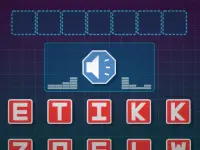





These games often present a core loop of listening and reacting to audio signals to achieve objectives. A primary example is a music rhythm games style where precise timing determines success.
Entry Guide: sound games
The player must listen to audio cues and perform actions that match the rhythm to achieve the objective; this is the core gameplay loop.
System Mechanics
Core mechanics involve tracking audio pulses and executing inputs at precise moments to maintain progression. The system often generates sequences of tones that the player must replicate or counter. Visual indicators are usually secondary to the auditory feedback provided by the game engine. Successful execution of these sequences constitutes the primary interaction loop in audio reaction games and sound puzzle games.
Optimization Rules
Players should Maintain focus on the audio stream rather than visual distractions to improve reaction accuracy. Practice listening to the underlying beat structure to anticipate the next required input. Consistent repetition of the input sequence helps build the necessary timing for high performance in listening challenge games.
Core Inquiries
Q: What are the primary controls? A: Controls are not explicitly defined but involve rhythmic input actions.
Q: What is the main objective? A: The objective is to synchronize actions with auditory cues to progress.
Q: Is there a visual component? A: Visuals are secondary to the audio feedback provided by the game.
Q: What is the core mechanic? A: The core mechanic is reacting to sound pulses with timed inputs.