 CrazyGamesX.com
Party Games
Party games operate on collective interaction rather than solitary performance. The genre prioritizes group dynamics and simultaneous participation to foster social cohesion.
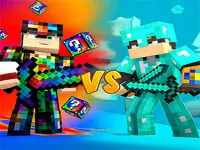



















These digital activities provide structured environments where multiple participants engage with shared objectives, typically involving direct competition or cooperative completion, utilizing accessible controls designed for quick understanding and immediate execution within the social party games category.
Entry Guide: party games
The player executes actions by manipulating simple inputs to achieve group-oriented goals; they must coordinate movements and selections to succeed in the multiplayer party games environment.
System Mechanics
Core loops involve rapid input processing and reaction-based challenges that test timing and accuracy. The interface typically features large buttons and clear visual feedback to accommodate multiple users. Success is measured by cumulative points or completion of collective tasks rather than individual skill progression. These systems often include randomization elements to ensure varied experiences across sessions in arcade party games and board game party games.
Optimization Rules
Players should focus on consistent execution of basic actions to contribute effectively to the group objective. It is vital to Maintain focus on the immediate task without overcomplicating input sequences. Observing patterns in group behavior allows for better coordination and timing when participating in trivia party games.
Core Inquiries
Q: What controls are used? A: Inputs are typically simple buttons or directional selections.
Q: What is the main objective? A: The goal is to achieve collective success through shared interaction.
Q: Is there a stated specific feature? A: Not stated.
Q: What is the primary mechanic? A: The primary mechanic involves simultaneous group participation.