 CrazyGamesX.com
Paperly Crazy Games
Paperly crazy games games are a genre of digital entertainment characterized by unpredictable scenarios and simple mechanics. Players typically control objects or characters through straightforward interactions such as matching, building, or placing items in specific arrangements.
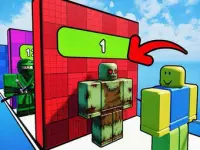
















This genre emphasizes quick decision-making and pattern recognition, often set in colorful environments that encourage experimentation and creativity, making paperly crazy games appealing to a broad audience seeking casual gameplay experiences.
Entry Guide: paperly crazy games games
Players follow basic actions like collecting objects and placing them to complete tasks in the game environment; this requires understanding the mechanics and executing precise movements to succeed in the game.
System Mechanics
Games in this genre rely on controls involving selecting and placing objects or characters within a confined space to achieve goals. The environment often contains obstacles that players must navigate by matching or arranging items correctly. Standard mechanics include aiming, shooting, or flipping objects to progress or clear obstacles. The genre frequently incorporates game mechanics centered around pattern recognition and timing, which enhances the challenge without requiring complex controls.
Optimization Rules
Maintain focus on the placement and matching actions to improve efficiency in completing tasks. Use deliberate movements to avoid unnecessary actions and optimize overall performance. Paying attention to the sequence of actions can reduce errors and increase success rates in games. Consistent practice with core mechanics helps players develop quicker decision-making skills essential for this genre.
Core Inquiries
Q: What controls are used in paperly crazy games games? A: Actions involve collecting and placing objects or characters.
Q: What is the main objective? A: Complete tasks by matching and arranging items correctly.
Q: What is the primary mechanic? A: Pattern recognition and placement actions.