 CrazyGamesX.com
Panda Games
Panda games for following a small sequence
The Panda collection includes playful activities where a character guides you through a task. The linked examples offer forest recipes and an educational weather-themed game.








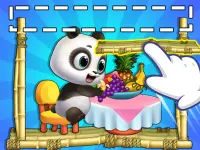




















Choose the setting whose current prompt is easiest to follow. In both, begin by identifying the requested action and the object it applies to. The game's response then tells you when the sequence is ready to move on.
Complete a recipe with its ingredients in view
In Baby Panda Forest Recipes, choose among activities such as rice balls with a bunny, coconut jelly with a monkey and groundnut cake with a mole. Read the selected recipe's prompt before picking an ingredient. Click or drag the item according to the player and watch how it changes the dish. A successful small step provides a reference for the next part of the preparation.
When several objects remain visible, identify which one belongs to the active stage. A decorative item and a preparation tool can have different roles even if both are easy to select. Use the cue in the scene to choose between them. If the action does not register, compare the target area with the point where you released the item before changing to another ingredient.
A completed dish makes a natural stopping point. Follow one recipe all the way through before switching to another so you can recognize the sequence from beginning to end. On a second recipe, carry over the familiar click or drag response while reading the new ingredients independently. The character and food change, and the current prompt determines which part comes next.
Follow the weather game's displayed scenario
Baby Panda Hurricane Safety presents situations involving a storm and asks the player to respond to on-screen choices. Read what the current scene is asking before selecting an object or option. The task belongs to that particular scenario, so use the prompt and feedback to understand why the game accepts the action. Watch what changes afterward instead of immediately trying another visible object.
For a child playing with an adult, let the child point to the clue in the scene before making the input. A picture or instruction can identify the item the current task needs. If the selection is rejected, compare it with that clue and try the indicated action deliberately. This keeps the game understandable as an interactive sequence rather than a series of guesses among colorful objects.
When the scenario changes, inspect the new surroundings and the active instruction afresh. An item that mattered in an earlier scene may have no role in the next one. Follow the game's specific request and use its completion signal to recognize progress. A short session can end after one fully understood scenario, giving you a clear result to discuss before continuing.
Choose cooking or a guided scenario
The forest game connects ingredients through a recipe. The weather game connects choices through a displayed situation. Both reward reading the next step and observing what confirms it. Start with one complete sequence and use the experience to decide which kind of Panda activity you want next. Other cards can offer different objectives, so read their opening prompt before applying the same gesture.
The two Panda games can be approached as sequences you describe while playing. Identify the active item, say which target it belongs to and then watch the response. If a child chooses correctly but the gesture misses, repeat the placement deliberately before changing the answer. If the scene asks for another object, read the new prompt together. This separates understanding the task from learning the interface. A complete recipe stage or scenario then becomes a clear result everyone can recognize, making it easier to choose whether to continue with another activity.