 CrazyGamesX.com
Hook Games
Hook games are a subset of arcade-style titles characterized by their straightforward controls and focus on precision and timing. Players typically aim to connect or manipulate objects within a confined environment to achieve specific objectives.
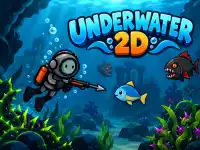







These games often emphasize reflexes and pattern recognition, making them accessible yet challenging for a broad audience.
Entry Guide: hook games
Players collect or match objects by aiming and placing them accurately to clear obstacles and progress through levels or stages; focus on precise placement and timing to succeed in hook games.
System Mechanics
Hook games operate with simple mechanics involving aiming and placing objects to interact with obstacles or other items. They rely on timing and spatial awareness to prevent mistakes and maximize efficiency. Common mechanics include connecting objects with a line or chain or matching similar items in sequence. These mechanics create a predictable yet challenging environment that tests reflexes and strategic thinking.
Optimization Rules
Maintain consistent timing and accuracy when placing objects and aim to develop a steady rhythm for better performance in animal care games. Focus on understanding the environment and predicting object movements to improve efficiency. Use deliberate actions to minimize mistakes and maximize successful interactions with obstacles. Applying these principles can enhance overall gameplay and scoring potential in hook games.
Core Inquiries
Q: What controls are used in hook games? A: Controls typically involve aiming and placing objects.
Q: What is the main objective? A: The goal is to connect or match objects to clear obstacles.
Q: Are obstacles present? A: Yes obstacles must be navigated or manipulated.
Q: What is the primary mechanic? A: The core mechanic is aiming and placing objects precisely.