 CrazyGamesX.com
Building Games
Building games focus on the construction of structures within a simulated environment using a set of predefined tools and resources. Players typically manage resources to create and expand virtual spaces while adhering to structural constraints and aesthetic goals.



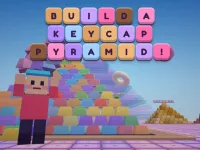


























The genre emphasizes planning and execution, offering a systematic approach to design that rewards careful layout and efficient use of materials, as seen in city building games.
Entry Guide: building games
Players can Efficiently create structures by placing materials and arranging components within the available space; the core interaction involves selecting objects and positioning them to form a cohesive design.
System Mechanics
Resource gathering is a fundamental mechanic where players collect raw materials needed for construction projects. Structural integrity systems often require players to balance weight and support to prevent collapse. Many titles feature a grid-based placement system that ensures precise alignment of components. The genre commonly includes environmental interaction where structures affect the surrounding virtual world, a trait found in construction games and simulation building games.
Optimization Rules
Plan layouts before placing materials to avoid wasted resources and unnecessary demolition later. Maintain a steady workflow by prioritizing essential structures before decorative elements to ensure functional progression. Always verify that new additions connect properly to existing frameworks to uphold structural stability in architect games.
Core Inquiries
Q: What are the primary controls? A: The primary controls involve selecting and placing objects within the environment.
Q: What is the main objective? A: The main objective is to construct functional and often aesthetic structures.
Q: Is there a resource management system? A: Resource management is a standard feature for gathering and using materials.
Q: What is the core mechanic? A: The core mechanic is the placement and arrangement of building components.