 CrazyGamesX.com
Bus Games Guide: Drive Passenger Routes or Build a Transport Business
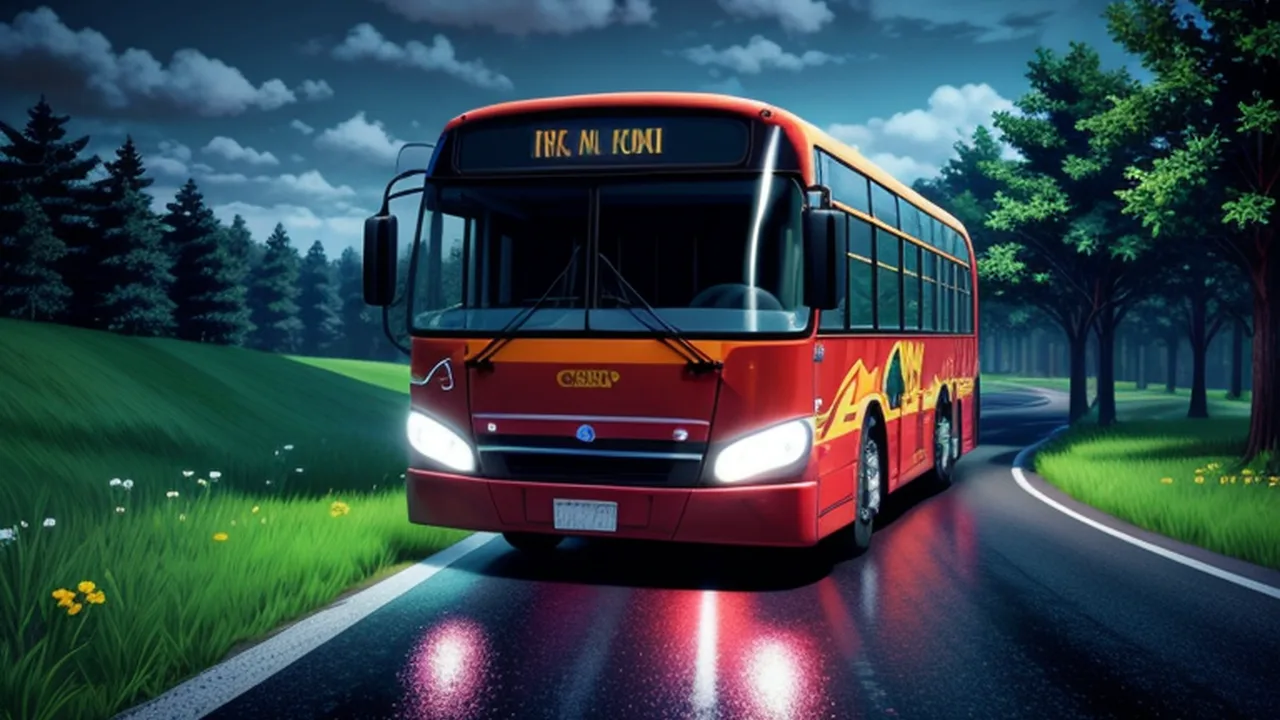
Choosing a bus game is easier when you decide which job you want to do. Driving a passenger route asks you to steer, brake and place a large vehicle carefully. Running a terminal asks you to spend earnings, improve facilities and develop a transport operation. Both involve buses, but the useful decisions happen in different places. A guide that treats them as the same simulator misses that practical difference.
On CrazyGamesX, Bus Master: Road Journey provides the driving side: transport passengers through city streets, highways and demanding roads. Terminal Master Bus Tycoon provides the management side: buy buses, improve stations and recruit employees. This guide helps you choose between those verified games and make a useful first session in either one.
Choose the activity before the vehicle
If you want direct control of a bus, start with the driving game. Your attention belongs on the road, the vehicle's position and the next passenger stop. A successful decision is something you can see in the journey: a controlled turn, enough room around an obstacle or a careful approach to a destination.
If you prefer deciding what to purchase and improve, start with the terminal game. The relevant questions concern the operation: what is currently limiting progress, which purchase addresses that problem and how the result changes earnings or efficiency. You are organising a business rather than steering a bus along a course. Decide which of those jobs sounds enjoyable before opening the player.
Learn the driving controls in an open section
In Bus Master: Road Journey, W or the Up Arrow accelerates. S or the Down Arrow brakes or reverses. A or the Left Arrow steers left, and D or the Right Arrow steers right. Begin with small inputs where you have enough room to observe the response. Notice how the bus changes direction and how much space you need to slow down.
Do not use the first unfamiliar corner as the place to learn every key at once. Understand acceleration and braking, then add steering with a clear route in view. That sequence gives you a better explanation when something goes wrong: you can distinguish a poor approach from uncertainty about the input itself.
Look beyond the front of the bus
A large vehicle needs space for more than its leading edge. Before a turn, consider the route the whole bus must follow. A gap that looks clear from the front can still be awkward for the rest of the vehicle. Reduce speed early enough to judge the space and make the turn deliberately rather than relying on a last-moment correction.
Keep attention on what follows the corner as well. An opening is useful when it leads to a position from which you can continue safely. If you concentrate only on entering a turn, you may arrive with little room for the next obstacle or change of direction. Reading the road ahead makes the current input part of a sequence.
Give passenger stops a careful approach
Passenger pickups and destinations give the drive its purpose. As you approach a stop, read the game's prompts and complete the requested interaction before accelerating away. Treat the stop as part of the route rather than a marker to pass at speed. Positioning the bus carefully makes it easier to see whether the next step has been completed.
If progress does not continue as expected, inspect the on-screen instruction before guessing. The bus may need a more suitable position or the current task may still be unfinished. Use what the player shows to decide the next action. Do not assume that a control or procedure from another bus game is present in this one.
Use space as time to make a decision
Traffic and roadside obstacles become harder to manage when you leave yourself little room to respond. Look ahead and maintain a workable gap instead of closing every opening immediately. More space gives you time to notice a turn, brake for a stop or choose a position that fits the vehicle.
When an attempt ends badly, identify the earliest useful correction. The final collision may have begun with an approach that was too fast or a turn started from an awkward position. Adjusting that earlier decision can be more helpful than trying to perform the same late correction more quickly on the next attempt.
Change methods when you open the tycoon game
Terminal Master Bus Tycoon uses click-or-tap management controls. Its purchases include vehicles, station improvements and employees. Read what the available option does before spending. The appearance of a new button does not tell you whether that purchase addresses the operation's current need.
Watch the business for a moment and describe the limitation you can actually see. Then choose an improvement intended to address it. After buying, observe the result before making another decision. This simple sequence connects spending with an outcome and helps you understand the difference between expanding one part of the operation and improving another.
Compare purchases by their job
A bus, a station upgrade and another employee are different kinds of investment. Consider the role each is meant to play, the displayed cost and the stage of the business. Buying several things immediately can make it difficult to tell which change helped. One considered purchase followed by observation produces more useful information for the next choice.
Think about the problem you want to solve rather than choosing only the largest affordable number. A purchase should have a reason you can explain in the current situation. If the expected improvement does not appear, check whether another part of the operation is limiting it. The next decision can then respond to what happened rather than repeating the same assumption.
Treat offline earnings as a specific game feature
Terminal Master Bus Tycoon lists offline earnings. Follow the game's own prompts for collecting or using them when you return. Read the amount and the options presented instead of assuming a fixed reward, a guaranteed rate or a particular collection procedure. Those details belong to the current interface and state of your operation.
On returning to a session, first reorient yourself. Look at the current business, available earnings and next purchases before spending. A brief review helps you continue the plan you were making rather than selecting the first visible upgrade simply because the balance has changed.
Set a goal that belongs to the format
A driving goal might be completing a turn with a controlled approach, stopping in a more useful position or noticing the next obstacle earlier. A management goal might be understanding what one upgrade changes or identifying the next limit in the operation. Those goals are small enough to evaluate during a short session.
Do not compare the two games only by how much happens on screen. A quiet, accurate manoeuvre can be progress in the driving game, while a considered purchase can be progress in the tycoon. The useful measure is whether the action advances the objective of the game you selected.
| Session preference | Start with | Practise first |
|---|---|---|
| Steering and passenger journeys | Bus Master: Road Journey | Acceleration, braking and space for the whole bus |
| Purchases and transport-business development | Terminal Master Bus Tycoon | Reading costs and observing one improvement |
| A short, focused practice session | Either format | One visible problem and one deliberate change |
Review a mistake without changing everything
For a driving mistake, recall the approach, the input and the final position. Choose the part you can improve next time. For a management decision, recall the need you identified, the purchase you made and the result you observed. In either case, keeping one part of the situation stable makes the next comparison clearer.
A short note can help if you are returning later. “Brake earlier before the narrow turn” or “watch what the station purchase changes” is enough. The note should direct attention to a real observation from the game. It does not need to become a complicated plan that obscures the simple next action.
Make the first minute informative
Before a long drive, confirm that the intended movement keys affect the bus and that you can see the route clearly. Before an extended management session, locate the current earnings and read one available purchase. Those small checks establish what you will pay attention to next. If something is unclear, resolve that uncertainty before adding speed or making several purchases.
The first minute does not have to produce a completed journey or a large business. It should leave you understanding the next action and the feedback that will show whether it helped. That makes a short session useful and gives a longer one a clearer direction.
Start the next journey with the right expectation
A bus theme can cover travel, parking, route driving and business management across different games. Read the selected entry's controls and objective each time you change titles. Familiar vehicles do not guarantee the same camera, interaction, progression or task. Let the game establish those details before carrying habits over from another player.
Choose Bus Master when you want to work on controlling the vehicle and completing passenger journeys. Choose Terminal Master when you want to build and improve the operation behind those journeys. Return with one clear question about a manoeuvre or purchase, and use the game's visible feedback to decide the next step.