 CrazyGamesX.com
Rebels Clash: Battle Royale Controls and Survival Guide
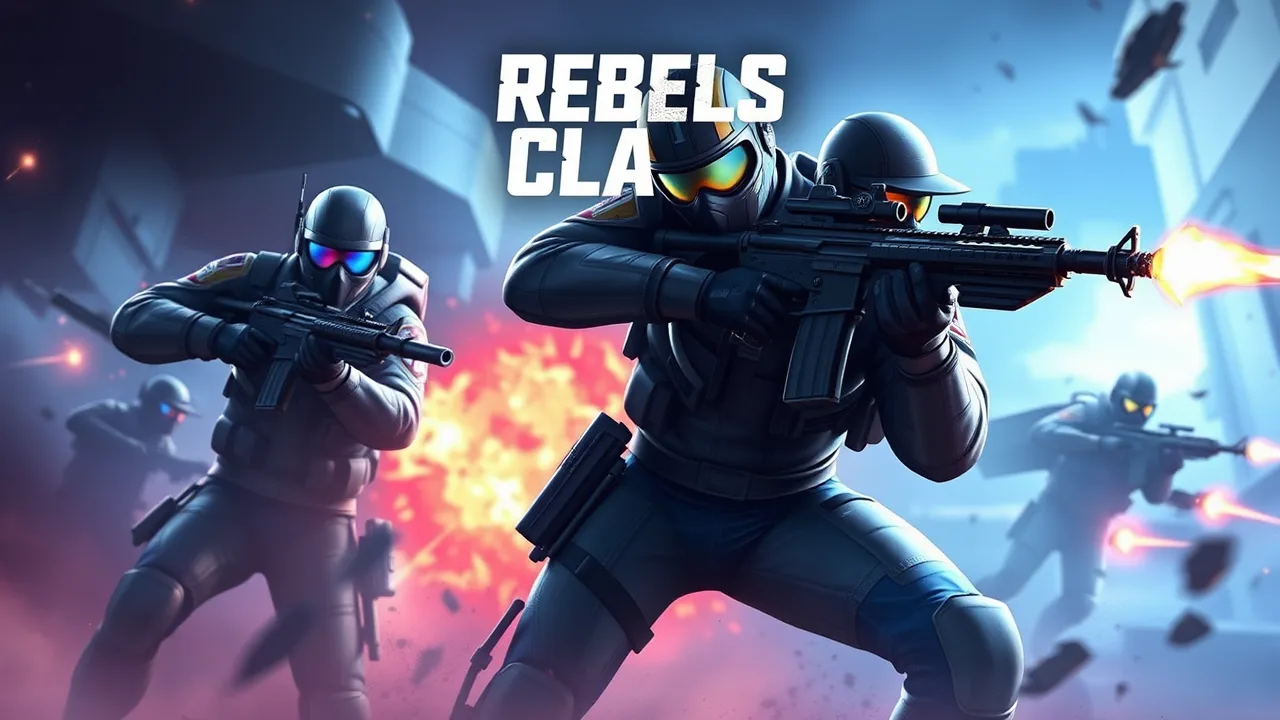
Rebels Clash is a 3D browser shooter built around survival, looting, and combat in an urban map. In its verified Battle Royale mode, you begin with a basic weapon, search for stronger equipment, and try to outlast bots or online opponents. Good aim matters, but so do route choice, cover, weapon range, and the decision to fight or disengage. Launch the exact title from the Rebels Clash game page, then use this guide to organize those decisions.
What the match asks you to do
The objective is survival. You navigate city streets, gather better weapons, and defeat or avoid opponents until you outlast the field. Unlike a shooting gallery, the game does not place every target directly in front of you. Threats can appear while you are moving, looting, crossing open ground, or recovering from another encounter. The safest route is therefore not always the shortest route.
At the beginning, prioritize information and a usable weapon. Learn the nearby streets, identify cover, and listen or watch for signs of another player. Looting is important, but standing still over every item creates danger. Decide quickly whether the available weapon improves your current range or ammunition situation, then move to a position that protects the next decision.
Desktop controls
Use WASD to navigate, the mouse to aim and fire, Space to jump, and Shift to sprint. The number keys 1, 2, and 3 switch weapons. E swings the axe, the middle mouse button slides, and G throws a grenade. These controls support several types of movement, but each should have a reason. Sprint to cross or reposition, slide to change your profile or escape a dangerous line, and jump when terrain or an opponent makes it useful.
Do not try to master every command in the first match. Begin with movement, mouse aim, firing, and weapon switching. Add sprinting once you can stop at cover without overshooting. Add sliding when you understand where it will carry you. Add grenades after you can recognize a position worth pressuring. The order matters because advanced actions are useful only when basic orientation remains stable.
Mobile controls
The verified game information also lists touch controls: tap and hold to move, tap to fire, and swipe down to slide or dodge. Touch play compresses several actions onto the screen, so give yourself time to learn the interface. Test movement in a quiet moment before entering a fight, and keep important controls visible rather than covering the screen with unnecessary finger movement.
Desktop and mobile players should not assume identical precision or comfort. Choose the device that gives you clear control and stable performance. The strategy remains the same: preserve cover, read the next route, and avoid looting while exposed. If a control does not behave as expected, review the current interface instead of relying on instructions from another shooter.
Loot with a purpose
Rebels Clash includes SMGs, assault rifles, machine guns, sniper rifles, and an axe among the verified options. Each suggests a different effective distance. An SMG can support close movement through buildings or tight streets. An assault rifle offers broader flexibility. A machine gun may reward sustained pressure but still requires positioning. A sniper rifle favors long sight lines and deliberate aim. The axe is a close-range option, not a replacement for a firearm across open ground.
Do not collect a weapon only because it looks stronger. Ask whether it complements what you already carry and whether the current map area suits it. The 1, 2, and 3 keys let you switch, so a balanced set can prepare you for more than one distance. After looting, know which slot contains which weapon. Searching the keyboard during contact wastes the advantage you gained.
Move through the city safely
Urban maps create corners, windows, streets, and elevation changes that can hide opponents. Move from cover to cover, and pause briefly before crossing an exposed road. Check the likely firing angles, not only the destination. If two routes reach the same area, the path with more cover may be worth the extra time.
Sprinting is useful for relocation but makes careful aiming harder. Slow down before entering a likely fight. Keep the crosshair near the edge or height where an opponent may appear. This reduces the correction needed when contact begins. If the route feels too quiet, do not assume it is safe; use the silence to prepare rather than to abandon caution.
Choose fights instead of accepting every fight
A visible opponent is not automatically a good target. Consider your weapon, distance, cover, health, and whether another threat could attack during the exchange. If the opponent has a better position, move rather than taking a low-percentage duel. Survival is the objective, so disengaging from a bad fight can be the strongest decision.
When you choose to engage, avoid exposing the entire character for longer than necessary. Aim from cover, fire with control, and change position if the opponent has identified your angle. Repeating the same peek creates a predictable target. A short relocation can force the opponent to search again and buy time for a better shot.
Use slides and jumps deliberately
The middle mouse button activates a slide on desktop, while a downward swipe performs a slide or dodge on mobile. Use it to cross a dangerous opening, break a predictable movement line, or reach cover. Do not slide simply because the action is available. A slide that ends in the open can be worse than ordinary movement.
Space jumps on desktop. Jumping can help with terrain or make close movement less predictable, but repeated jumps can damage your own aim and create a rhythm the opponent can track. Decide where the action should end before pressing it. Movement is strongest when it delivers you to a better position.
Grenades and area pressure
Use G to throw a grenade. A grenade is useful when an opponent is committed to cover, a doorway, or a narrow route. Its purpose is not only damage; it can force movement and create a shooting opportunity. Throw toward a position you understand, then prepare for the opponent’s likely exit.
Avoid throwing blindly into every room. You may waste the resource, reveal your attention, or be unprepared when the opponent pushes. Check distance and cover, and do not remain exposed while lining up the throw. After release, change focus from the grenade to the space it influences.
Battle Royale priorities
Early in the match, secure basic equipment and avoid unnecessary exposure. In the middle, improve the loadout, understand the active part of the map, and preserve health. Later, information and positioning become even more valuable because fewer opponents remain and each mistake carries more weight. The exact pace can vary, but those priorities offer a useful framework.
The game may place you against bots or real online players. Bots can still punish careless movement, while human opponents may adapt to repeated behavior. Do not build a strategy around assumptions about who controls the target. Use cover, check angles, and change predictable routes regardless.
Optional advantages and honest expectations
The verified source notes an optional jetpack advantage connected to watching an advertisement. Treat it as an optional feature rather than a requirement for understanding the basic game. Availability and presentation can change, and this guide does not promise that every session or device will show the same offer. Core movement, looting, aiming, and survival remain the skills you can practice directly.
Browser performance also varies by device and current load. Close unnecessary heavy tabs if the game feels unstable, but do not assume every defeat is technical. First check whether the route, weapon, or position caused the problem. Separate performance observations from gameplay decisions so you know what to adjust.
A focused practice plan
Use one match to learn a small section of the urban map. In the next, focus on identifying weapon slots without hesitation. Then practice crossing exposed streets only after checking angles. Another match can focus on disengaging from poor fights instead of chasing every opponent. These narrow goals produce skills that survive beyond one lucky result.
Review each defeat in a sentence. “I looted in the open,” “I crossed without checking the window,” or “I used a close-range weapon across a long street” points toward a correction. “My aim was bad” may be true but is often incomplete. The complete decision chain matters.
Related Rebels Clash pages
The Rebels Clash collection includes more than one similarly named game. Rebels Clash Game is a separate page, so do not automatically transfer this title’s Battle Royale mode, weapon list, controls, or progression to it. Verify the exact page. If you want a broader set of aiming challenges, use the shooting games category and compare objectives before choosing.
Common mistakes and fixes
Looting every item is a mistake when it keeps you exposed; take what improves the loadout and move. Sprinting into every corner makes contact harder; slow before likely threats. Carrying several weapons without knowing their slots delays switching; learn the 1–3 layout. Sliding without choosing the endpoint creates new danger; decide where you want to finish.
Taking every visible fight ignores the survival objective. Compare position and range first. Reusing the same angle after the opponent sees it makes you predictable; relocate. Throwing grenades without preparing for the forced movement wastes the opportunity; aim at the exit after the throw.
Frequently asked questions
What is the objective?
Loot stronger weapons, navigate the urban map, fight when appropriate, and outlast bots or online opponents in Battle Royale play.
How do I switch weapons?
On desktop, use the number keys 1, 2, and 3. Learn which weapon is in each slot before an opponent appears.
Are there mobile controls?
Yes. The verified source lists tap-and-hold to move, tap to fire, and swipe down to slide or dodge.
What should I collect first?
Prioritize a usable weapon and enough information to leave the looting area safely. A stronger item is not useful if collecting it leaves you exposed.
Final takeaway
Rebels Clash rewards survival decisions supported by accurate shooting. Learn the controls, build a balanced loadout, move through cover, and choose fights that suit your position and weapon range. Use slides, jumps, grenades, and sprinting as tools with clear endpoints. When a match ends, review the decision before the final shot. That habit makes the next run more informed from the first street onward.