 CrazyGamesX.com
Tung Sahur Horror Unblocked: A Search and Escape Guide
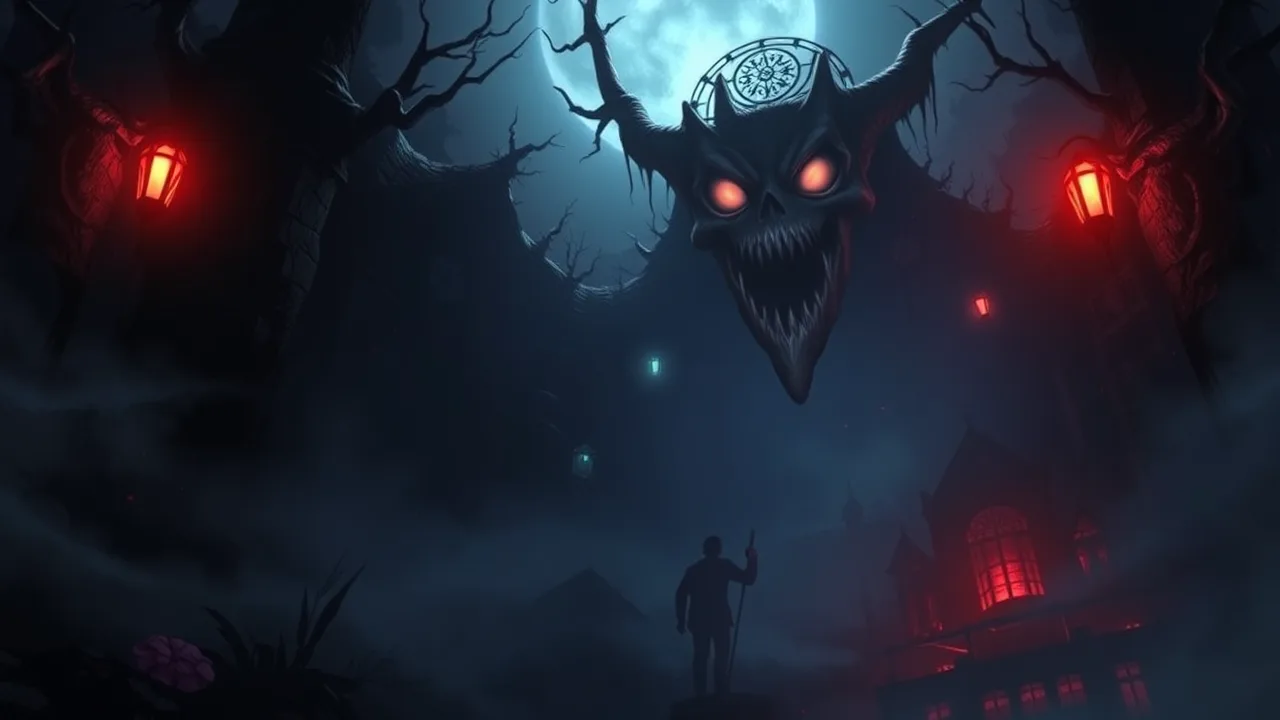
Tung Sahur horror unblocked is a search phrase used for several browser games with a familiar character theme. It does not describe one universal map or set of controls. To make a useful plan, start with a specific game: Tung Tung Sahur Midnight Terror is a horror-comedy escape challenge set in an abandoned house. You play a villager searching for ten packs of instant noodles, with the aim of unlocking the exit and escaping before dawn.
This guide concentrates on that concrete search objective. It explains how to organise a route, avoid checking the same places without a plan and review an unsuccessful attempt. The advice follows the verified movement and collection controls of Midnight Terror. Other Tung Sahur games can have entirely different objectives, and an unsettling thumbnail alone does not establish what you will need to do.
Separate the task from the atmosphere
A horror setting encourages you to react to the surroundings, but the completion condition gives you something more definite to follow. In Midnight Terror, you need the ten noodle packs to unlock the way out. Keep that objective in mind while exploring. Moving around the house without tracking the search can make a session feel active even when you are repeatedly revisiting the same uncertainty.
Before leaving a part of the house, try to know what you achieved there. Perhaps you collected a pack, checked a section or learned how two spaces connect. Each of those is useful information. The atmosphere can remain tense while your decisions become more organised; the goal is not to make every surprise disappear, but to keep a clear reason for the next movement.
Learn the collection distance
The listed controls are WASD for movement, Shift for running and Space for grabbing an item. Begin by making sure you can move towards an object and interact deliberately. If a pack does not register as collected, check your position and the interaction prompt instead of assuming that passing close to it was sufficient.
This is a small detail with a large practical effect. A player can remember seeing an item and later treat that area as finished, even though the grab did not happen. Distinguish seeing from collecting. When an interaction is unclear, resolve it while you still know where the object is rather than discovering near the end that your remembered total and actual progress differ.
Make an exit reference early
Finding the last required pack is only part of the task; you also need to get out. Notice the exit and the route that leads away from it when the game makes that possible. Connect the first area you search with a clear visual reference, then use that reference when moving farther into the house.
A reference does not need a complicated name or a perfect mental map. It can be a visible feature that tells you which way you came. The useful question is whether you could return from your current position without guessing at every turn. As you explore, occasionally think through that return route so the final collection does not leave you unsure where the unlocked exit is.
Search in sections rather than in circles
Pick a manageable section and inspect it before moving to the next. Look across the space deliberately, then check any part that your first view could not show clearly. A fast turn while running can create the impression of a complete search without actually giving you time to recognise the objects in the scene.
When you move on, remember whether the section is finished or only partly checked. These are different states. If you later need to return, a partly checked area has a clear reason for another visit. A completed section should not become the default destination every time you hesitate, since that can consume time without resolving the remaining search.
Use running for a route you understand
Shift gives you a running option, but speed is most useful when you know where you are going. Move quickly along a familiar connection, then give yourself enough time to inspect an unfamiliar area. Trying to discover the layout, search for a small object and correct your movement at the same time increases the chance of missing useful information.
This is route advice, not a claim about an unverified noise, stamina or enemy-detection system. Follow any instructions the loaded game presents about its own hazards. The reliable distinction here is between travelling and searching: travelling moves you to a chosen place, while searching requires enough attention to notice what is there.
Track what remains without inventing item locations
A fixed list of supposed hiding places can be misleading if it comes from another version or an unverified walkthrough. Work from the house you can actually see. Use the game's displayed progress when available and keep your own search status simple: checked section, unchecked section and a place that needs another look.
If you are close to the required total, resist the urge to search every space from the beginning with equal effort. Return first to the area you know you only glanced through or the interaction you were unsure about. That is a more reasoned next step than treating all previously visited locations as equally likely to contain the missing pack.
Handle a confusing moment with a concrete decision
When the setting makes you hesitate, choose a short action you can complete: face the route back, finish checking the current corner or move to the next known reference. A small defined task is easier to manage than trying to solve the whole house while reacting to everything on screen.
Keep awareness of the surroundings as you do it. If the game presents a threat, respond according to what is actually happening and the controls you have learned. Do not rely on a promised safe room, guaranteed hiding place or enemy behaviour that has not been established for this version. A useful plan leaves room to react instead of depending on imaginary certainty.
Diagnose an unsuccessful attempt
Think about the first point where your plan became unclear. Did you lose the return route? Did you remember an item as collected when it was only seen? Did you repeatedly cross a completed space while leaving another one barely checked? These questions produce different improvements, so identify the main problem before restarting.
For a navigation problem, use clearer references on the next attempt. For an incomplete search, make the section boundaries smaller. For an interaction problem, practise approaching and grabbing deliberately. This makes the retry a test of a specific change rather than another run with the same uncertainty carried into it.
Decide what to practise during a short session
You can make progress without treating every attempt as a demand for a perfect escape. An early goal might be learning how to collect reliably. Another might be understanding the connection between the exit and the first few spaces. Once those actions feel dependable, a more complete search becomes easier to organise.
Choose a goal whose result you can recognise. “Remember how to get back from this section” gives you something to check. “Stop being confused” does not describe an action. This approach is especially helpful when the atmosphere makes concentration harder, since it reduces the amount you are trying to solve in a single moment.
Use the collection to choose another activity
The Tung Sahur Horror Unblocked collection includes a mixture of themed entries and other games. Read individual descriptions when changing titles. A colouring game, a jigsaw puzzle and a horror escape can share a character reference while asking completely different things of the player.
If you want another tense search, look for a concrete escape or collection objective. If you want a calmer activity while keeping the theme, choose by the actual task rather than by the intensity of the thumbnail. The collection is a way to find choices, not proof that every card shares Midnight Terror's house, noodle packs or control scheme.
Choose a comfortable level of intensity
Horror-comedy still uses an unsettling setting. Adjust the game's available sound options to suit the situation and stop when the experience is no longer enjoyable. A character that appears in jokes or short videos can be used differently in a game, so familiarity with the name is not the same as knowing the content.
A short break can also help with the practical search problem. Returning with a simple plan is more useful than continuing to run through familiar spaces while increasingly distracted. The aim is an enjoyable challenge, not proving that you can ignore discomfort or keep playing after your attention has gone.
Understand browser access separately from gameplay
“Unblocked” is part of the search label used to find these pages. It does not guarantee that any school, workplace, device policy or network will allow the player. Use a permitted connection and follow the rules of the device you are using. A route through the house cannot fix a game that has not loaded.
Once Midnight Terror is running, keep your plan grounded in what it asks for: collect the ten packs, learn the return route and reach the exit. For the next attempt, choose the smallest useful improvement from the previous one. A reliable grab, a fully checked section or a remembered connection can make the whole escape easier to understand.