 CrazyGamesX.com
Build the biggest army in join clash 3d
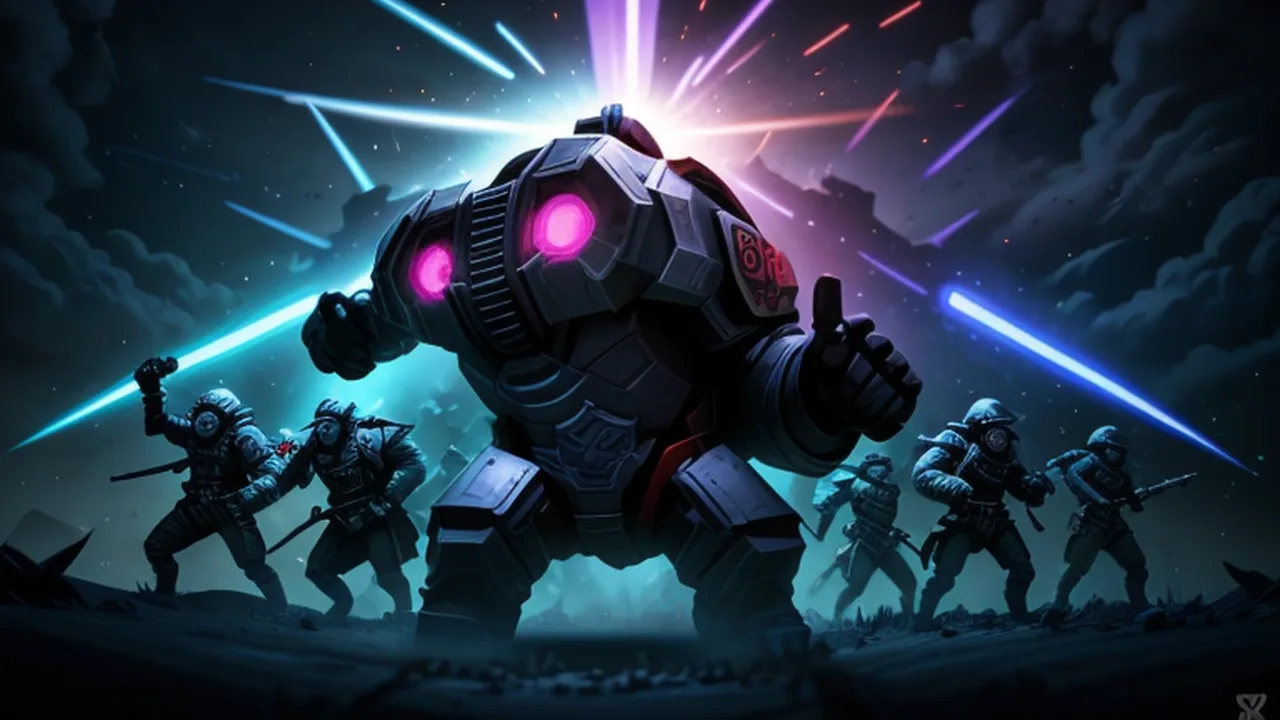
join clash 3d is a crowd-collecting action game where you run forward through obstacle courses, gather followers along the way, and grow your group into a massive force before crashing into enemy lines. Each run is quick and easy to pick up, making it perfect for casual sessions on any device. This page breaks down how the game works, what to watch for on each stage, and how to get the most out of every attempt. Whether you are new or returning, you will find practical tips to boost your crowd and survive longer runs.
How the Crowd-Catching Loop Works
The core idea behind join clash 3d is simple: move forward, grab more people, and avoid losing them. As your character runs through each course, gates and pickups either add followers to your group or subtract them. The bigger your crowd by the end, the stronger you are when you face opposing groups waiting at the finish. This loop rewards careful path picking over reckless speed, since a wrong turn through a shrinking gate can undo several good pickups in a single moment.
Every run resets your count, so each attempt is a fresh chance to learn the layout. Early stages teach you the basics of crowd control, while later ones introduce tighter corridors and more punishing obstacles. Pay attention to which gates give the biggest boosts and which hazards cut your numbers down sharply. That awareness turns a random sprint into a calculated push toward a larger force.
Why Bigger Groups Hit Harder
Size is your main resource in this game. When two groups collide, the one with more members pushes through and keeps going, while the smaller side gets wiped out or heavily reduced. This means your goal during a run is not just to survive but to end with the largest possible crowd. A group that reaches the final clash with a healthy count will bulldoze through enemies that a thin line of followers could not handle.
Because of this, you should treat every gate as a trade-off. Some paths offer a quick burst of followers but lead into obstacles that cost you more than you gained. Others look slower but keep your group intact through a tricky section. Learning which trade pays off is the real skill in join clash 3d, and it separates a decent run from a record-breaking one.
Reading Gates and Obstacles
Gates are the primary way your crowd changes size. Positive gates add a set number of followers, while negative ones subtract. The trick is reading the gate before you commit to a lane, since both options are often visible at the same time. Sliding walls, rotating bars, and narrow squeezes act as passive drains on your group, so lining up a clean path through them matters as much as picking the right gate.
Some obstacles punish a scattered formation more than a tight one. If your group is spread out, the edges clip hazards that a centered cluster would miss. Staying near the middle of the lane when passing through tight sections keeps more followers alive. It is a small habit, but over the length of a run it adds up to a noticeably bigger crowd at the finish.
| Feature | Details |
|---|---|
| Gameplay style | Crowd-collecting runner with gate choices and group clashes |
| Likely controls | Swipe or drag to steer your group left and right |
| Session pace | Fast, short runs suited to quick play breaks |
| Device fit | Works well on phones, tablets, and desktop browsers |
| Category focus | Casual action with light strategy in path selection |
Managing Losses During a Run
Losing followers is unavoidable, but how you handle it changes your final count. When your group takes a hit, the immediate instinct is to rush toward the next positive gate to recover. That works sometimes, but panic steering often pushes you into a second hazard before you stabilize. A better approach is to slow your lateral movement after a loss, re-center your group, and then commit to the best recovery path you can see.
Consistency beats heroics here. A run where you lose a few followers at each obstacle but finish with a solid core will usually outperform a run with one huge loss followed by frantic recovery. Think of your crowd as a health bar: every member you keep through a tricky section is one more body available for the final clash.
Picking the Right Lane
Most stages split into two or three lanes at key moments, and the choice you make there often decides the outcome of the run. The visually obvious lane is not always the best one. A wide gate with a modest boost might be safer than a narrow one with a larger reward, especially if the narrow path feeds directly into a spinning obstacle. Weigh the reward against what comes immediately after the gate rather than judging it in isolation.
As you replay a stage, patterns become easier to spot. You will notice which lane consistently yields the highest end count and which one looks good but bleeds followers over time. Building that mental map is what lets you push for bigger numbers instead of settling for whatever the first attempt produced.
Timing Your Push at the Finish
The final stretch is where your accumulated crowd pays off. Enemy groups wait near the end, and the collision between forces is decided almost entirely by raw numbers. Arriving with a full group means you sweep through opponents and keep most of your followers for any follow-up clash. Arriving thin means even a modest enemy line can halve what you have left.
Because of this, some players hold back slightly before the finish to line up a clean approach rather than sprinting in at an angle. A straight hit uses your whole group at once, while an angled one lets part of your crowd trail behind and get picked off. Small adjustments in approach angle make a real difference in how many followers survive the contact.
Improving Run After Run
Progress in join clash 3d comes from repetition and observation. Each attempt teaches you something about gate placement, obstacle timing, or lane value that the previous run did not. Instead of restarting immediately after a poor finish, take a second to note where the biggest loss happened. Was it a gate you misread, a hazard you clipped, or a lane that looked better than it played? Answering that question turns a failed run into useful information.
Over time, these small lessons compound. You will start recognizing familiar patterns across stages, make cleaner lane choices, and finish with crowds that would have seemed impossible early on. The game stays simple on the surface, but the depth comes from squeezing a little more out of every gate and every stretch of open track.
If you enjoy quick, satisfying runs like this, you can find more games in our wider selection of free online games and browser games. The collection is built for short sessions, so you can jump into join clash 3d whenever you have a few minutes and come back to it later without losing your place.
Frequently Asked Questions
How do I make my crowd bigger? Focus on positive gates early, keep your group centered through tight obstacles, and avoid lanes that trade a small boost for a large loss right after.
What happens when two groups collide? The group with more members wins the clash and continues forward with whatever followers survived the contact.
Is the game hard to learn? No. Steering is straightforward, and the main challenge comes from reading gates and choosing the best path rather than from complex controls.
Can I play it on different devices? Yes. The controls work with touch and mouse input, so it runs comfortably on phones, tablets, and desktop browsers alike.