 CrazyGamesX.com
buckshot roulette online free overview
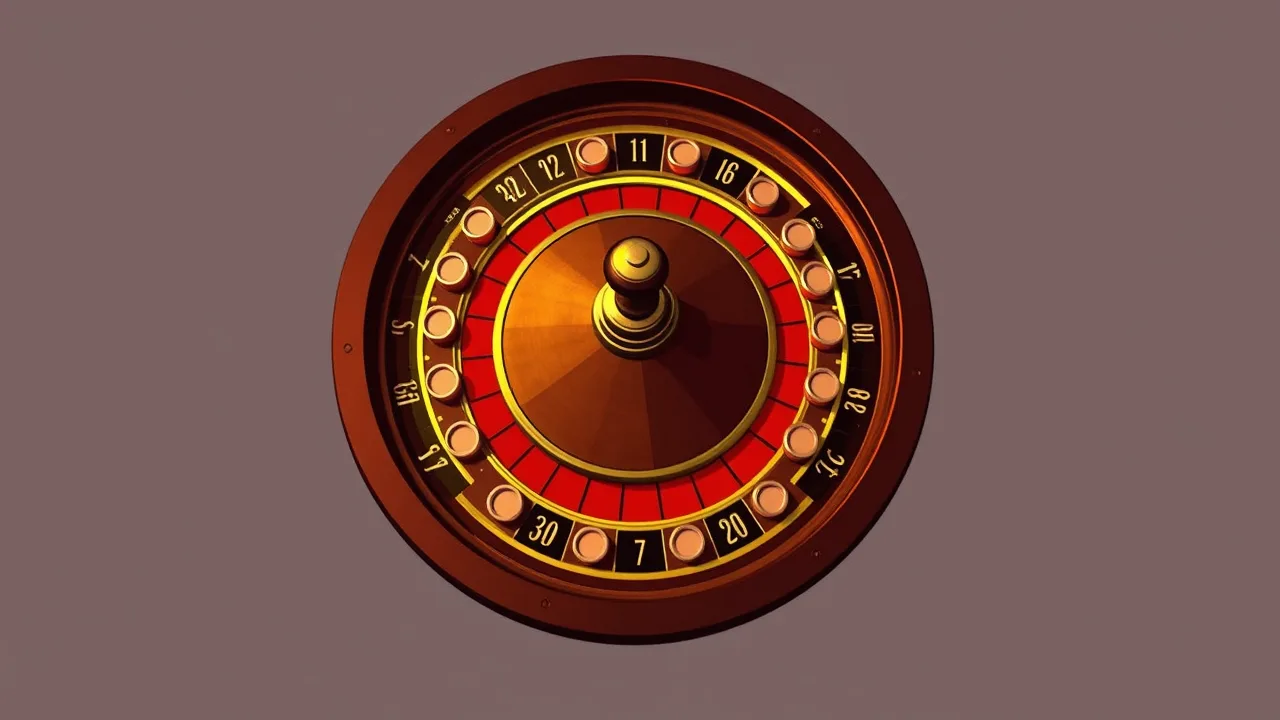
This one isn’t a power fantasy. It’s a nerves-of-steel mind game where tiny details matter and hesitation is expensive. You sit across the table, watch the dealer’s hands, eyeball the shells, and try to read patterns that may or may not be there. It’s tense the way a quiet room gets tense when a clock ticks louder than it should. The rush comes from making a hard call, owning it, and living with whatever drops after. If you want a clean spot to try a browser version on your own time, you can play it here on CrazyGamesX. Start slow, learn the rhythm, then push your luck only when your read is crisp.
The core fantasy leans on risk, probability, and psychology. If you want quick background on where this “take a chance with a chamber” design vibe comes from, skim Russian roulette for cultural context. It explains the bones of the idea without spoiling any modern twists you’ll meet at the table.
What keeps people glued isn’t the spectacle. It’s the pause. That held breath before you commit. That’s the hook, and the title plays it well.
🔗 Where to play buckshot roulette online free without drama
Some folks chase mirror sites and end up in pop-up city. Don’t. Keep it simple, keep it tidy, and avoid installing random extensions. One stable bookmark is enough and it saves you time you’d otherwise spend closing tabs and dodging nonsense. If you play in a shared space, bring headphones and respect the room. Street rule: if someone’s studying beside you, keep your click tempo quiet and your reactions lower than your heartbeat.
On mobile browsers, lock rotation and bump brightness down a notch to see shell silhouettes and tool icons without glare. On desktop, sit close enough that your peripheral vision catches both the dealer and the UI hints at the same time. That tiny layout change is a real win in clutch rounds.
🧠 How the table actually works
You’re juggling three layers: information, intuition, and initiative.
-
Information is anything concrete. You count visible shells, track any round order tells, and note when the dealer resets props. Sometimes the table gives you crumbs. Sometimes it gives you a full slice of cake. Either way, you’re eating what’s there, not what you wish was there.
-
Intuition is calibrated guesswork. After a few sessions, your brain starts pattern-matching on dealer tempo, micro-pauses before reveals, and the rhythm of risk escalation. It’s not magic. It’s reps.
-
Initiative is when you stop waiting for the perfect signal and move anyway. You don’t win slow forever. You win slow, then pounce.
At a practical level, every round is a mini decision tree. If you’ve confirmed a low-risk chamber, you press. If the signal is muddy, you stall and buy data. If the table starts feeding you misdirection, you reset and play the long game.
🧩 Round structure and pacing
Each round usually gives you one or two small levers. Maybe you swap turn order. Maybe you move a shell. Maybe you apply a consumable that tilts odds a few degrees your way. Treat those levers like currency. Spending all of them in the first act feels great until the endgame shows up and you’ve got nothing left but hope. Good runs save at least one lever for the last two exchanges.
Pacing is the difference between surviving and snowballing. Think in beats: gather, test, commit. In gather, you watch. In test, you risk a small edge to confirm your read. In commit, you take the shot that the whole round was building toward. If you skip test and jump straight to commit, that’s not courage. That’s impatience in a fancy jacket.
🎮 Beginner tips that translate into wins
-
Count out loud in your head. If you track shells in a steady rhythm, you avoid panicked miscounts later.
-
Anchor your eyes. Pick one focal point on the table while listening for audio cues. Don’t dart. Darting creates false signals.
-
Own partial info. You rarely get 100 percent clarity. Get to 60, act like it’s 60, and bake in a fail plan.
-
Take intentional pauses. A one-second breathing window before a major decision keeps finger slips from becoming life choices.
-
Bank momentum. Two good reads in a row? Stop. Reset posture. Drink water. Re-center. Streaks end when you start speed-running your own heartbeat.
-
Practice the reverse. Force yourself to pass on a tempting move once per session. You’re training patience as a muscle.
🧪 Mid-game tactics for control freaks
-
Two-queue thinking. Track both your likely next move and your opponent’s worst next move. If those collide, you already know the safe detour.
-
Probability buckets. Don’t chase exact odds under pressure. Bucket the state as low, medium, or high risk and pick the matching playbook.
-
Fake tells and real tells. Treat every obvious pause as bait until a second signal backs it up. Real tells often hide in consistency, not drama.
-
Turn-order tax. If you’re stuck going first repeatedly, treat each action like you’re paying a small tax for info. Small, not everything.
-
Close with surplus. Arrive at the final exchange with at least one lever unspent. The last coin in your pocket wins more games than the last brave face.
🛡️ Safety, ethics, and buckshot roulette online free boundaries
Yes, the fantasy leans into risk. That doesn’t mean you play recklessly in the real world. Keep play sessions short, keep your setup clean, and never install sketchy add-ons that ask for permissions they don’t need. If you’re on a family machine or a school device, follow the rules. If it’s not allowed there, wait until you’re on your own hardware at home. You’re not trying to be a legend in detention.
Personal line: if your mood is tilting or you’re chasing losses, cut the session. Walk, stretch, touch grass, hydrate. Come back when your head is quiet again.
🔧 Settings that actually matter
-
Frame clarity over glitter. Lower motion blur, keep textures at medium so UI stays crisp.
-
Audio cues up one notch. These titles hide a lot in subtle sound design. A half-second scrape or a click can be a free clue.
-
Cursor honesty. Dial sensitivity down until you can stop on a pixel without micro-corrections.
-
Full-screen discipline. Too many background notifications break your flow. Keep the table the only thing on screen.
🧠 Psychology you can use without being weird
-
Name the fear. Say, “I’m afraid of being wrong, not of losing this round.” Once you label it, it shrinks.
-
Rituals calm wrists. Pre-round breath, same hand placement, same first scan. Lowers cognitive load so you think instead of flinch.
-
Outcome-agnostic grading. Judge decisions by inputs, not results. A good call that failed is still a good call. Learn, don’t tilt.
🗺️ Meta strategy across multiple sessions
-
Ten-round logs. After every ten rounds, jot three bullets: one good read, one bad habit, one lucky break. You’ll see patterns by day three.
-
Week-on, day-off cadence. Skill compounds faster if you rest. Your intuition bakes while you sleep.
-
Challenge ladders. Start on easy, switch to normal when you can keep a calm pulse for a full set, then treat hard as a field trip, not a new home.
🎒 Little consumables with big value
If the table hands you tools, learn them like you’d learn a main weapon in an action title.
-
Info spikes that peek a chamber or reveal order. Use them to confirm, not to gamble wilder.
-
Control flips that swap turn order. Use only when your next read is strong.
-
Risk filters that reduce damage or negate a bad pull. Save for endgame, not act one.
A tool you hoard forever is wasted. A tool you burn too early is just a warm light with no heat. Spend with intent.
🏆 Clutch closers
-
The stare-down. When the final exchange starts, lock your gaze on a single UI anchor and breathe twice before moving. Cold hands, warm brain.
-
The second route. Keep a backup plan in your head that is one click away. If the first line goes gray, you won’t freeze.
-
The silent count. Right before the commit, do a 3-2-1 inside your head to settle your rhythm. Then act on one, not after.
🧭 Progress road map for buckshot roulette online free grinders
Session 1 to 3: basics, calmness, and clean input.
Session 4 to 7: probability buckets, two-camera thinking if applicable, and small lever discipline.
Session 8 to 12: endgame comfort, saving a closer, and minimizing panic clicks.
Session 13+: creative lines, bait-reading, and style. You’re not just surviving; you’re shaping the flow.
You’ll know you’ve leveled up when you stop narrating fear and start narrating options.
📓 Story your runs like a pro
Writing your own short debrief turns chaos into data:
-
State what you saw.
-
Assume what it meant.
-
Act on the cleanest branch.
-
Review one alternative you passed.
That four-sentence template converts vibes into a learning system. The more you do it, the fewer times you’ll say “I don’t know why I did that.”
🧩 Micro-drills you can do in five minutes
-
Cursor freeze. Move the cursor from center to a tiny target in one smooth glide without micro-corrections. Do ten reps.
-
Sound-only cueing. Play one round with visuals down to 60 percent and listen for clicks. It forces better audio parsing.
-
Commit timing. Practice counting to two before major presses so adrenaline doesn’t rush your thumb.
-
Cold-start scan. Load in and identify three salient objects in three seconds. That skill saves you on busy tables.
🧱 Boundaries for shared spaces
If you’re in a library lab or lounge, be decent. Low volume. Short rounds. No jump-scare reactions. If someone asks what you’re playing, be honest and non-edgy. “It’s a tense probability title” keeps the room comfortable and keeps you welcome.
🧭 Why people search buckshot roulette online free
Because they want a fast, no-install way to test their nerves without buying anything first. The convenience is the killer feature. But convenience is only good if it’s clean and respectful. Treat your device like a workspace, not a landfill of random downloads. One bookmark. One session plan. One calm player.
🧨 What to avoid
-
Impulse installs. If a page asks for permissions that smell wrong, bounce.
-
Endless marathons. After 30 to 45 minutes of high-tension play, your reads get sloppy. Break on purpose.
-
Myth-chasing. Internet “guaranteed patterns” are often noise. Verify with your own logs.
❓ FAQ about buckshot roulette online free
Is it actually free or is there a catch?
It’s typically free to try in-browser. Your real cost is attention and time. Avoid third-party add-ons and you’ll be fine.
Do I need high-end hardware?
Not really. Smooth input and clear audio cues matter more than fancy graphics. Any modern browser on a modest laptop should run it fine.
How do I get better fast?
Bucket risk instead of doing precise math under stress. Save one tool for the end. Review a ten-round log and fix one habit per session.
Is sound necessary?
Strictly speaking, no. Practically, yes. Subtle clicks and scrapes are free information. Use them.
What if my reads keep failing?
Lower the difficulty, slow your pace, and practice the two-step confirm before committing. Bad streaks happen. Don’t tilt.
Can I play on mobile?
You can, but use full-screen and a steady surface so your taps are precise. Consider a short session cap; touch input tires your hands faster.
How long should a session be?
Twenty to thirty minutes is a sweet spot for learning without fatigue. Stop while you’re sharp.